MIFF 2026 Review: The Way We Move
15th September 2026
By Zoe Eyles
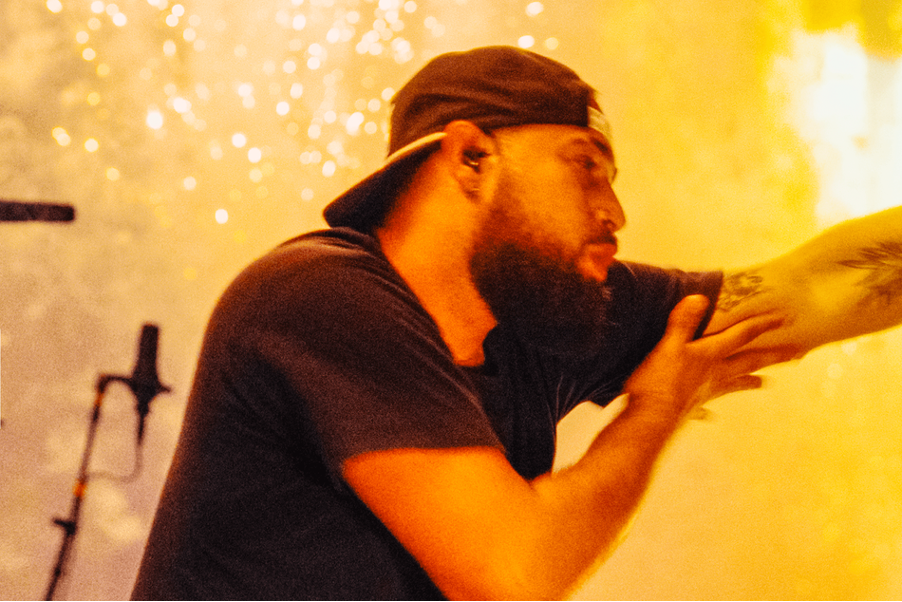
Image source: The Way We Move, directed by Vanessa Dumont and Nicolas Davenel. (via MUBI)
The Way We Move is an emotional feature-length documentary spotlighting the Deaf community in the United States and their connection to music through live interpreting.
This film, directed by Nicolas Davenel and Vanessa Joo Dumont, follows veteran American Sign Language (ASL) music interpreter Amber Galloway and aspiring interpreters at her ASL Music Camp hoping to be selected to interpret at the Austin City Limits music festival.
Music interpreting is far more nuanced than simply translating song lyrics into a sign language word-for-word, which the trainees are specifically told not to do. Instead, interpreters in this film try to physically embody the song – emoting, capturing underlying meanings, articulating metaphors, and representing instrumentals, making countless creative choices in how they do so along the way.
Very early in the piece, it feels clear this documentary aims to present this window into Deaf culture from a Deaf point of view. Galloway refers to her camp as a “Deaf sacred space” and asks hearing participants to avoid communicating verbally rather than using ASL. Throughout the film, there are often prolonged periods of silence, prioritising depicting the deaf experience over what a hearing audience might expect from a film.
The audience is offered closer insight into the lives and trajectories of two Deaf trainee interpreters, Julian Ortiz, a young Puerto Rican father battling financial insecurity, and AV Villavong, a queer Laotian American. We learn that both had overcome significant personal obstacles before taking up music interpreting, and their talent for embodying a song’s sounds and emotions quickly attracts Galloway’s attention and tears.
At one point, I was surprised to find myself crying to Skrillex in the cinema as it was ASL interpreted on-screen. That moment made the power of music interpreting clear to me.
The film also follows a secondary plot which is slowly drip-fed to the audience. We discover Galloway and her family have faced profound loss, and as well as training new interpreters, she tries to help her struggling adult son pull himself out of long-term depression.
This felt somewhat unnecessary to me, or at least like it was pulling too much focus away from the main story and world of the film, which were so fascinating. Some sit-down conversations about life, grief and depression felt quite stilted, and I didn’t enjoy the drip-feeding of information which felt like an attempt to dramatise a personal loss that just didn’t need it. The emotional stakes were already there.
I really enjoyed this documentary’s insight into music interpreting and the strength and beauty of Deaf communities. Ortiz and Villavong were interesting characters to follow, and I loved getting to know more about them as the film progressed. I was captivated every time they were interpreting on-screen, which I would’ve loved to see even more of.
The ASL Music Camp itself was my favourite part of this documentary; watching people take on such a complex new skill in front of others, celebrate each other, laugh and build friendships.
This film celebrates Deaf communities, music, and accessibility, following a compelling cast, their relationships and their resilience. The Way We Move is ultimately a film about connection, reaffirming that the power of music to bring people together – particularly live music – is and should always be universal.
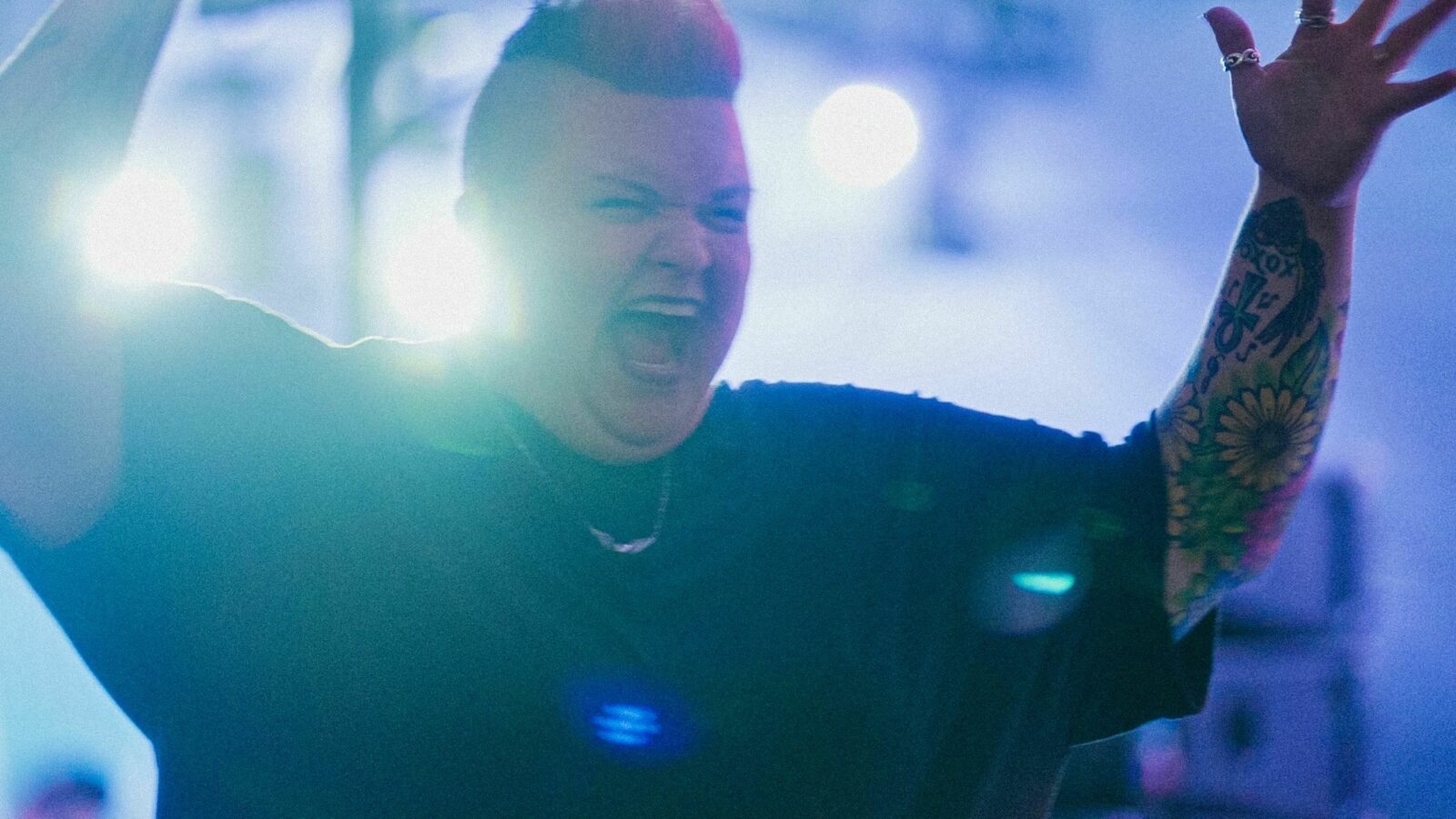
Image source: The Way We Move, directed by Vanessa Dumont and Nicolas Davenel. (via Le FIFA)